
How to Make Jewelry: A Beginner's Guide to Tools, Findings and First Projects
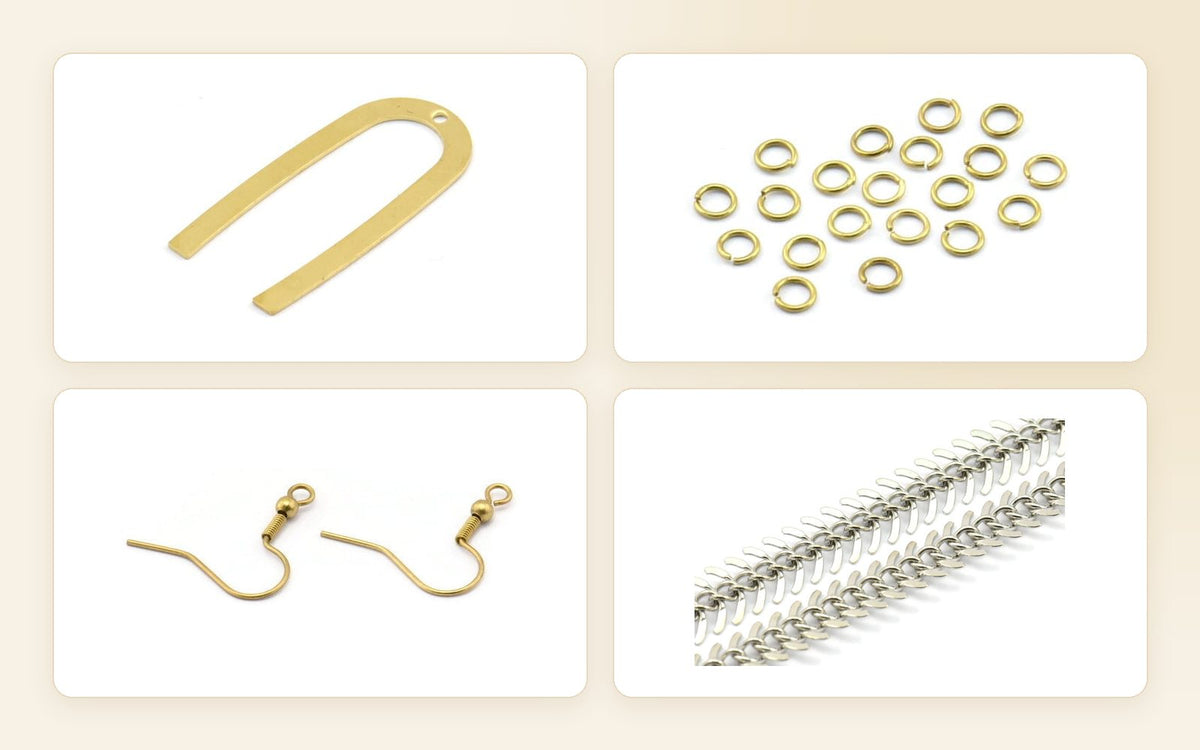
To start making jewelry you need round-nose pliers, chain-nose pliers and flush cutters, plus a few findings: jump rings, clasps, ear wires and chain. Connect charms to findings with jump rings, and you can make earrings, necklaces and bracelets in an afternoon.
The 3 tools every beginner needs
- Chain-nose (flat-nose) pliers: for gripping, opening and closing jump rings, and bending wire at sharp angles. Get two pairs if you can; opening jump rings is much easier with two.
- Round-nose pliers: conical jaws for making loops and curves in wire, like eye pins and earring hooks.
- Flush cutters: cut chain and wire with a flat end.
Useful extras: a ruler or caliper (most component sizes are in millimeters), a bead mat, jewelry glue or two-part epoxy, and a polishing cloth.
Jewelry findings explained
"Findings" are the small functional parts that hold a piece together. Here are the ones you will use most:
| Finding | What it does |
|---|---|
| Jump rings | Small metal rings that connect charms, chains and clasps |
| Clasps (lobster, spring ring, toggle, magnetic) | Open and close necklaces and bracelets |
| Ear wires and hooks | The part that goes through the ear on dangle earrings |
| Earring posts and backs | For stud earrings |
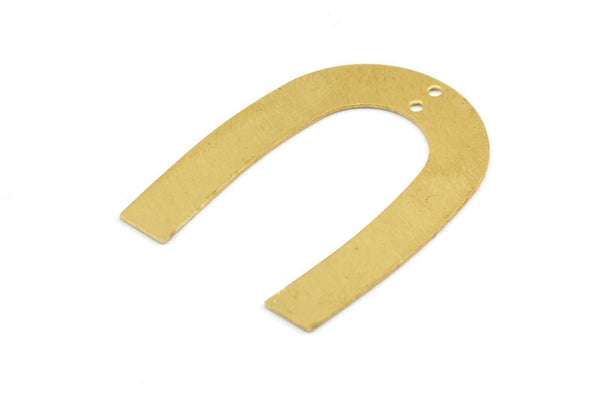
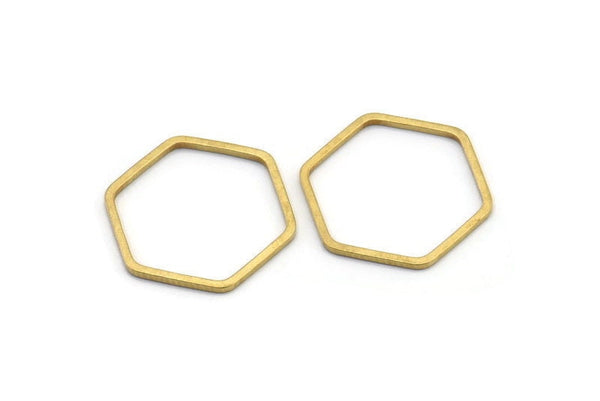
| Connectors and links | Join two elements side by side; build layered and multi-tier designs |
| End caps and ribbon crimps | Finish the ends of cord, leather and ribbon |
| Ring blanks and settings | Bases for rings with a glue pad or bezel cup |
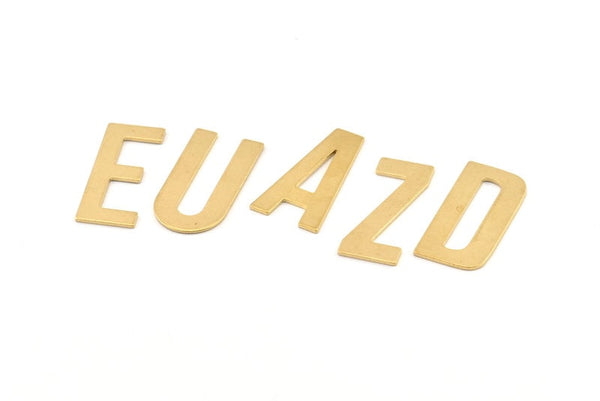
| Stamping blanks | Flat metal tags you can stamp, engrave or hammer |


Choosing a metal
Keep all the metal in one piece the same color. Raw brass is affordable and warm gold, gold plated and silver plated give bright uniform colors, antique silver and black oxidized suit vintage styles, and stainless steel and 925 silver are best for sensitive skin. Not sure? Read Brass vs Gold.
The one skill you need: opening a jump ring
Hold the jump ring with two pairs of pliers, opening at the top. Twist one hand toward you and the other away. Never pull the ends apart sideways, because that distorts the ring and it will never close neatly. Hang your charm, then twist back until the ends meet flush. More in Jump Ring Sizes and How to Use Them.
Project 1: Charm drop earrings (10 minutes)
- Pick two matching earring charms with a loop.
- Open a jump ring, add the charm, and close it.
- Open the loop at the bottom of an ear wire the same way, slide on the jump ring, and close.
- Repeat for the second earring and check that both hang the same way.
Project 2: Pendant necklace
- Cut chain to length: 18 inches (45 cm) is the most popular.
- Attach a jump ring and a lobster clasp to one end, and a jump ring alone to the other end.
- Add a pendant on a jump ring or bail in the center.
Full instructions, lengths and variations: How to Make a Necklace.
Project 3: Charm bracelet
Use a chain with links large enough for a jump ring, add a clasp, then attach charms every few links. Step by step: How to Make a Charm Bracelet.
Beginner tips
- Buy findings in multi-packs; you will use more jump rings than you expect.
- Check component sizes in millimeters before ordering. A 15 mm charm is about the size of a fingernail.
- Use a slightly bigger jump ring than you think. Charms hang better and are easier to attach.
- Keep metals consistent within a piece, and store them in small zip bags.
Frequently asked questions
Is jewelry making expensive to start?
No. Three pliers and a starter set of brass findings and charms cost less than a single store-bought necklace.
What is the easiest jewelry to make first?
Charm drop earrings: one charm, one jump ring and one ear wire per earring.
What does "findings" mean in jewelry making?
Findings are the functional components such as clasps, jump rings, ear wires, connectors and end caps that hold a piece of jewelry together.
Shop Charms for Jewelry Making
View all →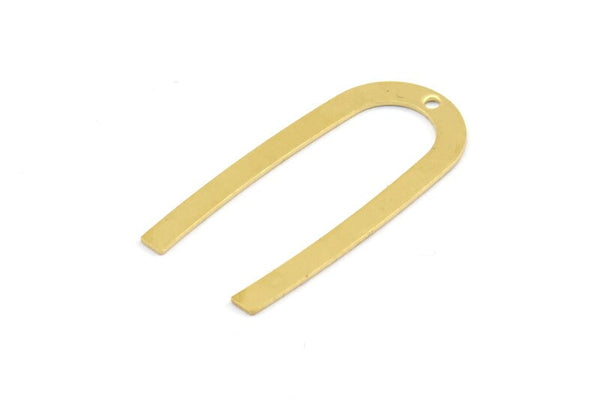





More jewelry making guides
All guides →
How to Stamp Metal Jewelry: A Beginner's Guide to Stamping Blanks
Metal stamping needs steel letter stamps, a 1–2 lb hammer, a steel bench block and soft-metal blanks like brass or copper. Strike...

Jump Ring Sizes Chart: Gauge, mm and How to Open and Use Jump Rings
Jump rings are sized by outer diameter in mm and wire thickness in gauge or mm. 4–6 mm rings in 0.7–0.8 mm...

Types of Earring Hooks and Ear Wires (and How to Make Your Own)
Fish hooks (French wires) are the most common earring hooks; leverbacks and kidney wires are the most secure; hoops, threaders and shepherd...